
Health Policy Transparency: A Battle for Truth
Health Policy Transparency: A Battle for Truth in an era marked by rapid technological advancement and an ever-growing demand for accountability, health policy transparency has emerged as a critical issue. It stands as a cornerstone of democratic governance, ensuring that the public remains informed about decisions that directly impact their well-being. However, achieving genuine transparency in health policy is a complex task, fraught with challenges ranging from bureaucratic inertia to political maneuvering and corporate influence.
The Importance of Health Policy Transparency
Health policy transparency is essential for building public trust in healthcare systems. It ensures that policymakers, healthcare providers, and government agencies remain accountable for their actions. When governments make health policies without clear communication, they risk eroding public confidence and weakening the very systems they aim to protect.
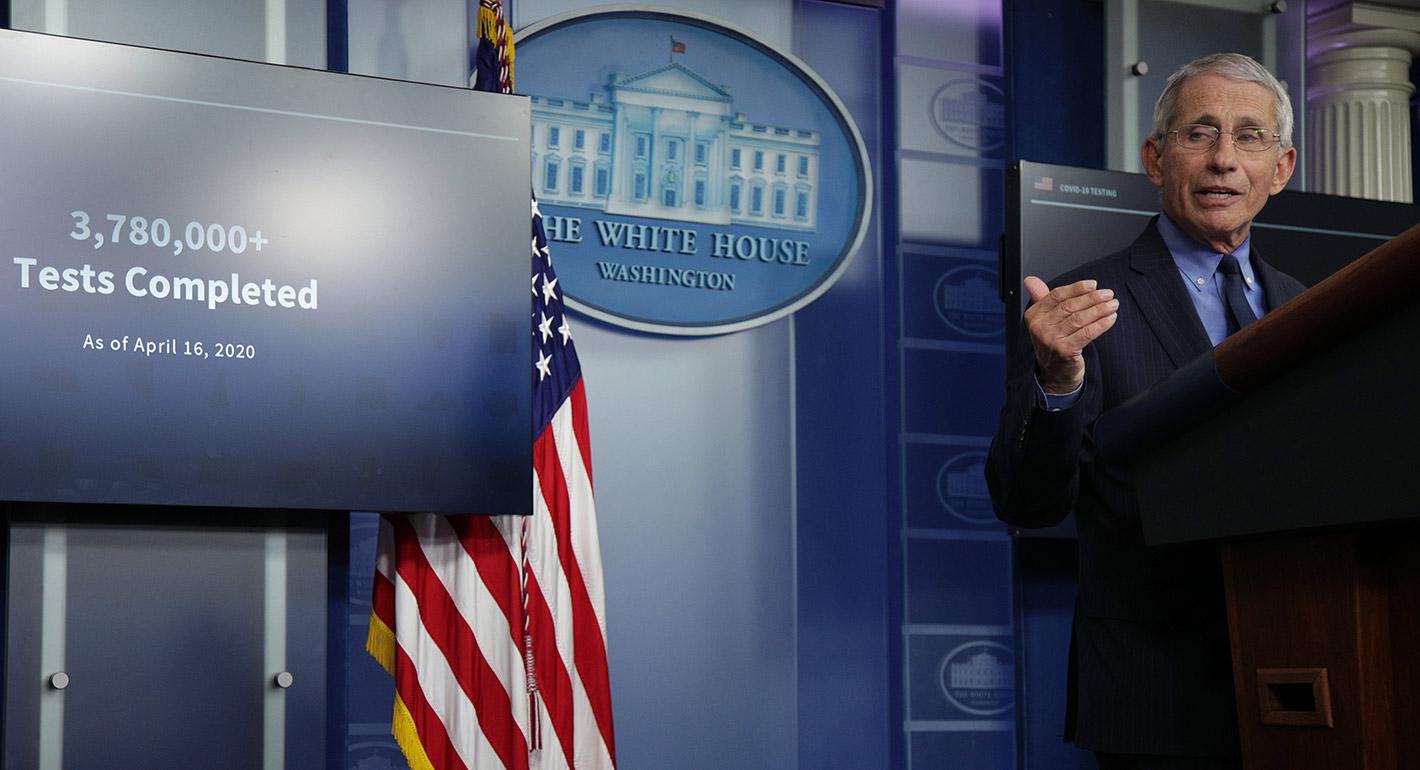
For instance, the COVID-19 pandemic highlighted the critical importance of transparency. Governments around the world scrambled to develop guidelines, distribute vaccines, and implement public health measures. In countries where health policy transparency remained strong, public trust in vaccination programs and safety protocols soared. In contrast, opaque decision-making and inconsistent messaging fueled confusion, resistance, and even public protests in others.
Transparency also plays a crucial role in resource allocation. Without clear information about funding, procurement, and distribution, corruption can flourish, leading to wasted resources and reduced healthcare quality. In a world where healthcare systems are constantly under pressure from aging populations, emerging diseases, and economic constraints, efficient use of resources is paramount.
Barriers to Health Policy Transparency
Despite its importance, achieving health policy transparency is not straightforward. Numerous barriers can obstruct the flow of information between governments, healthcare institutions, and the public.
One significant barrier is political pressure. Health policies often carry substantial political weight, with decisions influenced by electoral cycles, public opinion, and political alliances. This can lead to a lack of transparency, as politicians may prioritize short-term gains over long-term public health benefits. For example, some governments have been accused of downplaying COVID-19 case numbers to avoid political fallout or economic backlash.
Another challenge lies in the complexity of health data. Healthcare is a highly technical field, requiring precise, often context-specific data to make informed decisions. This complexity can obscure transparency efforts, as policymakers struggle to communicate nuanced medical and scientific information to a general audience. Misinterpretation and oversimplification can further erode public trust.
Financial interests also pose a significant hurdle. Pharmaceutical companies, insurance providers, and private healthcare systems have substantial stakes in health policy outcomes. They may lobby for favorable regulations or suppress information that could harm their profits. This can lead to conflicts of interest and a lack of transparency in policy decisions.
The Role of Technology in Promoting Transparency
In recent years, technology has emerged as a powerful tool for enhancing health policy transparency. Digital platforms, data analytics, and blockchain technologies offer new ways to track, verify, and share health-related information with unprecedented accuracy and speed.
For instance, open data platforms have transformed how governments share health statistics. By making health data publicly accessible, governments can foster trust and enable researchers, journalists, and the public to verify official claims. Countries like the United Kingdom and New Zealand have taken significant steps in this direction, providing real-time data on COVID-19 cases, vaccination rates, and hospital capacity.
Blockchain, with its decentralized, tamper-proof nature, also holds promise for enhancing transparency in healthcare. It can ensure that medical records, supply chains, and funding flows remain traceable and secure, reducing the risk of fraud and corruption.
Moreover, artificial intelligence (AI) and machine learning are helping policymakers make sense of vast amounts of health data, identifying trends, predicting outbreaks, and optimizing resource allocation. These technologies can enhance transparency by providing clear, data-driven insights into health outcomes.
The Dark Side of Digital Health Transparency
While technology offers immense potential, it also introduces new challenges for health policy transparency. Digital platforms can be vulnerable to data breaches, cyberattacks, and misinformation, all of which can undermine public trust.
For example, the misuse of personal health data has sparked significant privacy concerns. In the United States, the Health Insurance Portability and Accountability Act (HIPAA) sets strict standards for patient data protection, but these regulations struggle to keep pace with rapid technological change. As a result, individuals may be reluctant to share personal health information, fearing misuse or unauthorized access.
Furthermore, digital platforms can be manipulated to spread misinformation. During the COVID-19 pandemic, social media became a double-edged sword, serving as a critical communication tool but also a hotbed for conspiracy theories and false medical advice. This misinformation can erode public trust and complicate efforts to implement transparent health policies.
International Perspectives on Health Policy Transparency
Globally, approaches to health policy transparency vary widely. Some nations prioritize openness, while others tightly control health information as part of broader political strategies.
For example, the Scandinavian countries are often praised for their transparent healthcare systems. In Sweden, healthcare decisions are made through open parliamentary debates, with extensive public consultation and robust data sharing. This approach has contributed to high levels of public trust in the healthcare system.
In contrast, more centralized or authoritarian governments may restrict access to health information to maintain control over public discourse. In these contexts, health policy transparency can be seen as a threat to political stability, leading to censorship or the manipulation of health data.
International organizations like the World Health Organization (WHO) and the United Nations have called for greater transparency in global health governance, emphasizing the need for clear, accurate, and timely information. These efforts are crucial for building global health resilience and preventing future pandemics.
The Path Forward
Achieving true health policy transparency requires more than just technological solutions or regulatory reforms. It demands a cultural shift toward openness, accountability, and public engagement.
Policymakers must prioritize clear, consistent communication and embrace data-driven decision-making. They should also work to reduce conflicts of interest by ensuring that financial and political pressures do not compromise public health outcomes. This may involve stricter lobbying regulations, independent oversight bodies, and greater whistleblower protections.
At the same time, the public must play an active role in demanding transparency. Civic engagement, media scrutiny, and grassroots advocacy can all help ensure that governments remain accountable for their health policy decisions.
Finally, global cooperation will be essential. Health challenges know no borders, and effective solutions require international collaboration, data sharing, and mutual trust. By working together, nations can strengthen their health systems, enhance public trust, and better prepare for future crises.
Conclusion
Health policy transparency is not merely a bureaucratic goal. It is a fundamental requirement for building resilient, effective, and trusted healthcare systems. In a world where misinformation spreads at the speed of light and public trust can erode in an instant, transparency stands as a vital safeguard for public health. By embracing openness, accountability, and technological innovation, governments and health institutions can pave the way for a healthier, more informed, and more equitable future.


